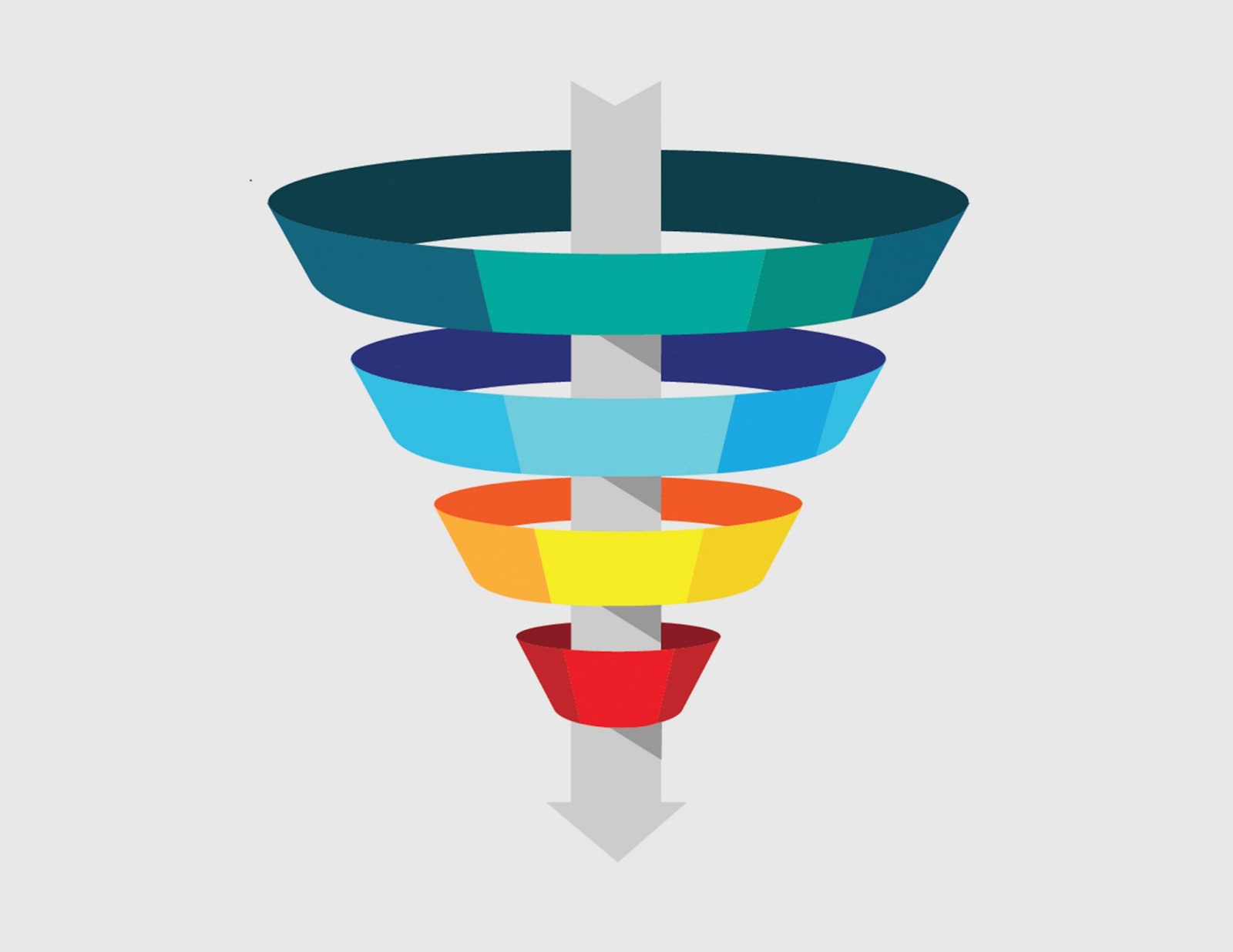
A strong marketing funnel strategy gives your business the structure it needs to attract the right audience, build trust, and convert leads with confidence.
When you understand how each stage works, you replace guesswork with a clear system that guides people from first impression to final decision. The funnel helps you control your growth, improve your targeting, and create predictable results across every channel.
Many brands struggle because they treat marketing like a single step instead of a complete pathway. Real success comes from using the marketing funnel stages with intention.
When you take time to understand how people move through awareness, consideration, and conversion, you discover how to gain leads more efficiently and turn those leads into loyal customers.
This guide breaks down the full funnel, explains how each stage works, and shows you how to connect everything into a single, smooth, and high-performing pipeline. You’ll learn the strategies that attract more leads, nurture them with value, and move them toward action without friction.
Stage 1: top of funnel — building strong awareness
The top of the funnel (TOFU) is where people first discover your brand. This stage focuses on reaching cold audiences and making them aware of your existence.
When you understand the early marketing funnel stages, you can see how important it is to spark interest before making any kind of commitment. TOFU builds visibility, sets expectations, and starts the trust-building process.
At this stage, your goal is simple: to attract attention. You focus on reach, engagement, and visibility so more people learn who you are and why your brand matters. Strong TOFU efforts lay the foundation for generating leads later, as they warm up your audience long before you ask them to convert.
What performs well at the top of the funnel
Your TOFU content should stay educational, entertaining, or inspiring. It shouldn’t feel pushy or sales-driven. People at this stage need value, not pressure.
High-performing TOFU content includes SEO-focused blogs, informational guides, social media posts, short-form videos on social media, paid social aids, infographics, simple tutorials, and quick tips.
These assets help strangers become aware of your brand and move into the next stage with interest, rather than hesitation.
How to strengthen your TOFU marketing funnel strategy
A strong TOFU approach sets the tone for your entire marketing funnel strategy. You build trust by offering genuine value without expecting anything in return. Focus on content that teaches, simplifies, or entertains. Use hooks that grab attention fast and messages that are easy to absorb.
Examples of strong TOFU tactics include:
- Targeting high-volume keywords with helpful blog content
- Sharing quick tips or educational bites on social media
- Running awareness ads to low-cost, broad audiences
- Using visuals that stop the scroll and drive engagement
When you invest in TOFU early, you make every later stage more efficient. You attract the right audience, warm them up with helpful content, and prepare them for deeper engagement. Strong awareness leads to stronger conversions, and TOFU is where that entire process begins.

Stage 2: middle of funnel — turning interest into engagement
The middle of the funnel (MOFU) transforms curious visitors into engaged prospects. At this stage, your audience already knows who you are, so your job shifts from visibility to connection. You focus on educating, building trust, and proving that your brand understands their needs.
When you work this stage with intention, you strengthen every part of your marketing funnel strategy and make it easier to gain qualified leads later.
MOFU plays a major role in how people move through the marketing funnel stages. This is where strangers become problem-aware, solution-focused, and interested in what you offer. You teach them, guide them, and show them why your approach stands out. Strong MOFU content instills the confidence people need before making a buying decision.
What engages people in the middle of the funnel
Your MOFU content should answer more profound questions, offer value-packed information, and help prospects understand how you solve their problems. They want guidance, proof, and clear direction.
Effective MOFU content includes long-form blogs, how-to guides, educational resources, case studies, email newsletters, lead magnets such as e-books, templates, and checklists, as well as retargeting ads targeting warm audiences.
These assets help your audience picture the solution you offer and understand why it matters.
How to strengthen your MOFU marketing funnel strategy
A strong MOFU approach guides people from interest to trust. You show clear value and position your brand as the dependable choice. This stage is where you demonstrate expertise and build the belief that your solution is worth exploring.
Strong MOFU tactics include:
- Offering lead magnets that solve a specific problem
- Sharing case studies that highlight measurable wins
- Sending emails that answer pain points and provide quick wins
- Running retargeting ads with educational content
- Creating comparison guides that simplify decision-making
These strategies demonstrate to your audience that you understand how to generate leads by nurturing relationships rather than pushing sales too early.
When you treat MOFU with focus and care, you create a warm, educated, engaged audience ready to take the next step. This stage bridges awareness and action, making it one of the most crucial stages in the marketing funnel for driving real growth.
Stage 4: Bottom of funnel — converting engaged leads into customers
The bottom of the funnel (BOFU) is where your warmest prospects make their final decision. They already know who you are, understand your value, and feel confident in the solutions you offer. Now you focus on guiding them toward action. This stage turns interest into revenue and shows how a strong marketing funnel strategy drives real growth.
BOFU plays a major role in how people move through the marketing funnel stages. You support leads who already trust your brand and help them take the last step with clarity. When you shape this stage with intention, you improve conversion rates and strengthen your ability to gain leads who are ready to buy.
What convinces leads at the bottom of the funnel
Your BOFU content needs to remove doubt, highlight results, and make the next step feel simple. People want reassurance that they’re choosing the right solution.
High-impact BOFU content includes product demos, free consultations, strong landing pages, testimonials and reviews, detailed case studies, comparison pages, personalized emails, benefit-driven explanations, and clear pricing details.
Each piece reinforces trust and helps your audience take action with confidence.
How to strengthen your BOFU marketing funnel strategy
You guide prospects toward the finish line by reducing friction and creating a smooth path to purchase. Every message, page, and call-to-action should feel direct, supportive, and easy to follow.
Proven BOFU tactics include:
- Offering limited-time deals or bonus incentives
- Providing easy booking buttons or streamlined checkout flows
- Sharing customer stories that highlight real results
- Using FAQs to remove hesitation
- Creating targeted retargeting ads focused on conversions
These methods demonstrate your understanding of how to generate leads and convert them into paying customers with a clear and effective approach.
The bottom of the funnel delivers the payoff of all your earlier work. When you build a strong BOFU stage, you close more deals, shorten the decision-making process, and give your audience every reason to choose you. With a sharp focus on clarity and value, you turn warm interest into measurable revenue and create a reliable system for long-term growth.

How to connect every stage into one smooth pipeline
A strong marketing funnel works best when each stage seamlessly transitions into the next without friction. When your marketing funnel stages connect smoothly, you create a predictable path that guides people from awareness to conversion with clarity and consistency.
Each step builds on the one before it, which helps your audience move forward with more trust and less hesitation.
The key is consistency. Your messaging, visuals, and value must remain aligned from top to bottom. When someone moves from TOFU content to MOFU nurturing, the transition should feel natural. When they reach BOFU, they should already understand your value and feel ready to act. This structure forms the foundation of a powerful marketing funnel strategy.
How to keep your funnel flowing smoothly
You create flow by supporting your audience at every stage:
At the top, you attract attention with educational or entertaining content.
In the middle, you build trust, provide more in-depth solutions, and initiate more personal conversations.
At the bottom, you guide your warmest leads toward decisions that feel confident and easy.
Each stage answers a different question your audience carries:
TOFU asks: “Who are you?”
MOFU asks: “Can you help me?”
BOFU asks: “Why should I choose you right now?”
When you answer these questions in order, you understand how to gain leads and move them forward without forcing the process.
Common points where funnels break — and how to fix them
Funnels fall apart when the transitions feel disjointed. If your TOFU content grabs attention but your MOFU content doesn’t nurture, people lose interest. If your MOFU content educates but your BOFU content lacks clear calls to action, prospects stall.
You fix these gaps by matching your messaging across all platforms, retargeting cold visitors who showed interest, following up with emails that match the content they engaged with, giving prospects a clear next step at every touchpoint, and tracking behavior to understand where people drop off.
When each stage flows into the next, your audience experiences a smooth path that feels simple and intentional. This alignment turns your marketing funnel strategy into a strong, predictable engine for growth. You gain more high-quality leads, nurture them effectively, and convert them with far less resistance.
A connected funnel doesn’t happen by accident — it comes from clear structure and consistent value at every stage.
How to qualify leads for stronger results
A strong funnel doesn’t stop at attracting attention. You need to understand which leads show real buying intent so you spend your time and energy where it matters most.
Lead qualification helps you identify individuals who are ready to progress deeper into the marketing funnel stages and take meaningful action. When you qualify leads with intention, you build a marketing funnel strategy that delivers higher conversions and stronger long-term results.
Lead qualification gives you clarity. It shows you how to gain leads that match your ideal customer, rather than chasing every click or signup. You learn which behaviors signal interest, which prospects need more nurturing, and which leads are ready for sales-level conversations.
Understanding MQLs and SQLs
Two main categories help you understand where leads belong inside the funnel:
Marketing Qualified Leads (MQLs):
These leads engage with your content, download resources, or interact with your brand in meaningful ways. They show interest but still need nurturing before they commit.
Sales Qualified Leads (SQLs):
These leads show clear buying intent. They request demos, ask for pricing, or explore high-intent pages. They’re ready for personal outreach or a direct offer.
Knowing the difference helps you guide leads through the right stage of your marketing funnel strategy with more accuracy.
How to score leads effectively
Lead scoring assigns points based on a prospect’s behavior. You highlight the actions that matter most and track how often a lead takes those actions. When their score reaches a certain threshold, you know they’re ready for the next step.
Common lead scoring signals include website visits, high-value resource downloads, engagement with nurture emails, watching long-form content, visiting pricing or comparison pages, and clicking high-intent ads.
Each action helps you understand how to gain leads that show real promise.

When to pass leads to sales
Not every lead warrants an immediate sales conversation. You move someone to sales when their behavior proves they’re ready. This keeps your funnel efficient and prevents your sales team from chasing cold leads.
A lead is sales-ready when they request a consultation, demo, or quote; show interest in your pricing; take repeated actions on high-intent pages; or respond to BOFU messaging with clear intent.
Passing leads too early creates friction. Passing them at the right time creates conversions.
Why qualification strengthens your entire funnel
Qualified leads move through the marketing funnel stages faster and convert at higher rates because they already trust your brand. You meet them with the right content, at the right time, with a strategy built around their behavior. When you learn how to gain leads through smart qualification, your funnel becomes more predictable, efficient, and profitable.
Qualifying leads isn’t about filtering people out — it’s about guiding the right people forward with intention. And when you combine strong qualifications with a clear marketing funnel strategy, you build a system that supports long-term growth.
Common funnel mistakes to avoid
A strong funnel delivers steady growth, but small mistakes can slow momentum fast. When you understand the most common issues inside the marketing funnel stages, you strengthen your entire system and sharpen your ability to gain leads with confidence.
These mistakes occur frequently, but you can easily avoid them with the right awareness and a clear marketing funnel strategy.
Targeting the wrong audience
Many brands struggle because they speak to everyone instead of the people who actually need their solution. Broad targeting wastes budget and weakens engagement. Narrow your focus, refine your messaging, and attract the audience that aligns with your goals.
Using the same message in every stage
Each stage of the funnel answers a different question. When you repeat the same message everywhere, you create confusion and lose trust. Tailor your wording, visuals, and offers to match TOFU, MOFU, and BOFU needs.
Ignoring retargeting
People rarely convert after one touch. If you don’t retarget, you lose warm leads who showed interest but needed more time or information to make a decision. Retargeting keeps your brand visible and strengthens your chances of converting engaged prospects.
Forgetting to nurture leads
A funnel breaks when you treat every visitor like a ready buyer. Nurturing builds trust and teaches prospects why your solution stands out. Email sequences, lead magnets, and valuable content keep interest strong until they reach the final marketing funnel stages.
Offering weak or unclear CTAs
Your audience needs direction. If you hide your CTAs, ask for too much, or make them confusing, your conversions drop. Every stage should guide people toward the next step with clarity and confidence.
Tracking the wrong metrics
Some brands focus on vanity metrics — likes, impressions, page views — without studying actions that actually show how to generate leads. You need to measure intent-focused data, such as email sign-ups, downloads, returning visits, conversions, and ROAS.
Overcomplicating your funnel
Complex funnels slow you down and overwhelm your audience. You don’t need ten steps or endless automation. You need a clean, intentional structure that supports your marketing funnel strategy with efficiency.
When you avoid these mistakes, your funnel becomes smoother, more predictable, and far more powerful. You guide leads through each stage with clarity and create a system that supports long-term growth.

Ready to build a marketing funnel that delivers real growth? Partner with Revity
If you want a system that attracts the right audience, nurtures leads with purpose, and turns interest into measurable revenue, Revity Marketing stands ready to help. Our team builds data-driven funnels, powerful content, and high-performing campaigns that move your business forward with clarity and speed.
We design each step of your marketing funnel strategy around your goals, your audience, and the results you want to achieve. Whether you need stronger SEO, paid ads, email nurturing, or full-service support, we know how to create a strategy that scales.
Reach out to Revity Marketing today and start building the kind of funnel that brings in more leads, more engagement, and more growth — without the stress or guesswork.